Is Your Child Ready? 10 Signs for a School Readiness Program
A School Readiness Program helps children develop the cognitive, social, emotional, and learning skills they need before starting school. While every child develops at their own pace, some need additional support with attention, language, confidence, early literacy, or following routines. At The Brain Accelerator in Dubai, our School Readiness Program combines cognitive skill development with engaging activities to help children start school feeling prepared, confident, and ready to learn.
Starting school is an exciting milestone for both children and parents. While many families focus on learning letters and numbers, true school readiness involves much more. A child also needs to listen, follow instructions, communicate, remember information, and adapt to a classroom routine.
If you’re wondering whether your child is ready for school, recognizing the signs early allows you to provide support before learning challenges become bigger obstacles. Here’s what parents should look for.
What is a School Readiness Program?
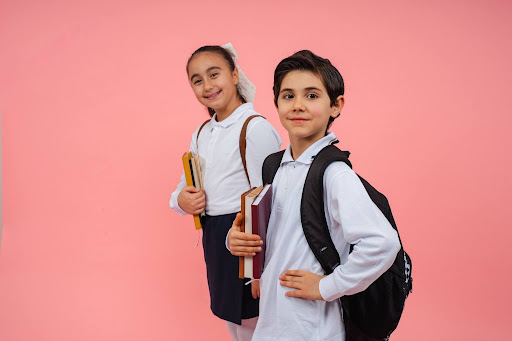
A School Readiness Program is designed to help children build the foundational skills needed to succeed in their first years of school. Rather than teaching academics alone, it focuses on developing attention, memory, language, reasoning, early literacy, social interaction, and independence.
Common Signs Your Child May Benefit from a School Readiness Program
Every child develops differently, but these signs may indicate that extra preparation could be helpful before starting school.
1. They struggle to follow simple instructions
If your child regularly forgets or struggles to complete one or two-step directions, they may need support with attention and working memory.
2. They have difficulty sitting and focusing
Most young children are active, but if they find it extremely difficult to stay engaged in an activity for even a few minutes, strengthening attention skills can help.
3. They avoid books or early reading activities
A lack of interest or difficulty recognizing letters, sounds, or simple words may indicate early literacy skills need support.
4. They struggle with basic counting or number concepts
Difficulty recognizing numbers, counting objects, or understanding simple patterns can make early math more challenging.
5. They have trouble remembering new information
Forgetting instructions, songs, or recently learned concepts may point to weaker memory skills.
6. They find it difficult to communicate their thoughts
Children who struggle to express themselves or answer simple questions may benefit from additional language development activities.
7. They become frustrated easily when learning
Some children give up quickly when tasks become difficult, affecting both confidence and willingness to learn.
8. They have difficulty interacting with other children
Sharing, taking turns, and participating in group activities are important classroom skills that can be developed before school begins.
9. They depend heavily on adults
If your child needs constant reminders or assistance with simple tasks, developing independence before school can make the transition much smoother.
10. They seem anxious about starting school
Feeling nervous is normal, but ongoing anxiety or reluctance about school may improve with structured preparation and gradual confidence building.

Causes and Challenges
School readiness challenges can arise for many reasons. Some children simply need more time to develop, while others may have underlying weaknesses in attention, memory, processing speed, or language skills.
Without early support, these difficulties may affect reading, writing, mathematics, classroom participation, and self-confidence. Early childhood intervention gives children the opportunity to strengthen these skills before academic demands increase.
Assessment Options in Dubai
If you’re unsure whether your child is ready for school, a professional assessment can provide valuable insight.
At The Brain Accelerator, we begin with a Cognitive Skills Assessment that evaluates the brain skills needed for successful learning, including attention, memory, reasoning, processing speed, and executive functioning. The results help identify strengths, highlight areas that may need support, and guide personalised recommendations for your child.
How The Brain Accelerator Helps
At The Brain Accelerator, we understand that every child prepares for school differently. Through engaging one-on-one activities and evidence-based cognitive training, we help children develop:
- Attention and listening skills
- Working memory
- Early literacy and language skills
- Reasoning and problem-solving
- Confidence and independence
- Classroom readiness and learning habits
By building these foundations before school begins, children are better prepared to participate, learn, and enjoy their first school experience.
Frequently asked questions
A School Readiness Program helps children develop the cognitive, social, emotional, and early academic skills needed before starting school. It prepares them to learn confidently rather than focusing only on letters and numbers.
Children who have difficulty with attention, memory, communication, early literacy, confidence, or adapting to routines often benefit from additional support before entering school. Early intervention can make the transition much smoother.
Every child progresses differently, but many families notice improvements in confidence, attention, listening, and independence within a few weeks of consistent participation. Long-term progress depends on each child’s individual needs.
School readiness programs are typically designed for preschool-aged children preparing to enter school. At The Brain Accelerator, every program is personalised according to the child’s age, developmental stage, and learning goals.
The first step is booking a Cognitive Skills Assessment at The Brain Accelerator in Dubai. The assessment helps identify your child’s strengths and areas for development, allowing our team to recommend the most appropriate programe