

What Is Dyslexia? A Parent’s Guide to Recognizing Early Signs
Dyslexia is a specific learning difference that makes reading, spelling, and writing much harder than they should be for a child’s age and intelligence. Children with dyslexia usually struggle to match letters to sounds, blend sounds into words, and read fluently. It’s not caused by low intelligence or lack of effort. With the right structured reading programme, most children with dyslexia can become confident, fluent readers.
If your child is smart, articulate, and curious, but reading feels like pulling teeth, you may be dealing with dyslexia. It’s one of the most common learning differences and one of the most misunderstood. At The Brain Accelerator in Dubai, many parents come in wondering why their child understands concepts easily when spoken aloud but struggles when it comes to reading independently. This guide explains what is dyslexia, the signs to look for at different ages, and what to do if you suspect it.
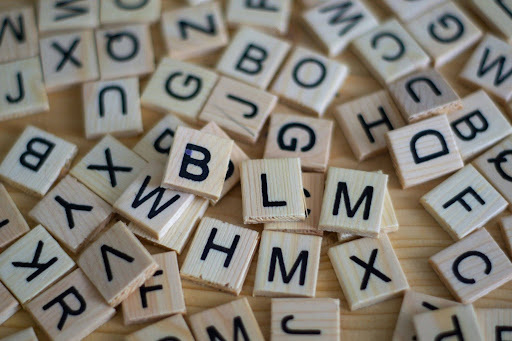
Dyslexia in Plain English
Dyslexia is a difference in how the brain processes language, specifically how it connects the sounds we hear to the letters we see. Children with dyslexia often understand concepts brilliantly when you explain them aloud but struggle when they have to read the same information themselves.
It has nothing to do with intelligence. In fact, many highly successful adults are dyslexic. The challenge is not understanding ideas, it’s processing written language efficiently.
Early Signs in Preschool (Ages 3 - 5)
Some early dyslexia signs can appear before formal reading even begins. Preschool children may struggle to learn nursery rhymes, consistently mispronounce longer words, or find it difficult to remember sequences like counting or days of the week.
Difficulty learning letter names and a family history of reading struggles can also be important indicators. One sign alone may not mean much, but several together are worth paying attention to.
Signs in Early Primary School (Ages 5 - 7)
As reading instruction starts, dyslexia symptoms usually become easier to spot. Children may know the name of a letter but struggle to connect it to its sound. They may guess words from pictures instead of sounding them out or continue reversing letters such as “b” and “d” after classmates have stopped.
Reading often feels slow and effortful, and spelling may appear inconsistent. Many children also begin dreading reading time because it feels stressful and frustrating.
Signs in Primary and Secondary School
Older children with dyslexia often continue reading slowly despite being bright and verbally strong. Homework may take much longer than expected, and written work may not reflect the child’s actual understanding.
Teenagers often avoid reading whenever possible or rely heavily on memorisation and audio support. At The Brain Accelerator, parents frequently describe a gap between what their child can explain verbally and what appears in written work.
What Dyslexia Is Not
Dyslexia is not caused by lazy parenting, too much screen time, being bilingual, or not reading enough at home. It is a difference in how the brain is wired for language.
It’s also important to understand that dyslexia does not simply mean seeing letters backwards. Most children with dyslexia see letters normally, the difficulty lies in processing and connecting language sounds efficiently.
Why Early Diagnosis Matters
Dyslexia does not usually improve by itself. The earlier reading difficulties are identified, the easier it is to support a child with a structured, evidence-based reading programme.
At The Brain Accelerator, assessments include the Gibson Test of Cognitive Skills along with reading diagnostics to identify weaknesses linked to reading and language processing. Learning what is dyslexia is the first step toward early intervention. Early intervention helps prevent long-term struggles with confidence, motivation, and academic performance.
What to Do if You Suspect Dyslexia
If you notice signs of dyslexia, start by speaking with your child’s teacher and asking what they observe in school. Consistent patterns across home and classroom settings are important.
At The Brain Accelerator, cognitive and reading assessments help families understand whether reading difficulties are linked to dyslexia and what support may help most. Starting intervention early can make a significant difference in reading confidence and progress.
Why Early Support Matters
Children with dyslexia are often intelligent, creative, and capable learners who simply process written language differently. At The Brain Accelerator, personalized assessments and structured reading programmes help children build the skills needed for confident reading and long-term academic success.
With early support and the right intervention, children with dyslexia can thrive both inside and outside the classroom.
Frequently asked questions
Formal dyslexia diagnosis is usually possible from ages 6 – 7, once reading instruction is well underway. However, early signs can often be spotted much earlier.
No, dyslexia is lifelong, but with the right support, most children become capable and fluent readers over time.
Yes, dyslexia often runs in families. Family history is one of the factors considered during assessments at The Brain Accelerator.
Yes, this overlap is common. Proper assessment helps identify both areas so the support plan addresses all underlying challenges.
Being bilingual does not cause dyslexia, although symptoms can appear differently across languages. Assessments can help identify how dyslexia affects each language individually.